Supply trunk
Moves conditioned air away from the equipment
Residential air duct cleaning
Duct Hound uses inspection, controlled negative pressure and mechanical agitation to remove accessible accumulated debris from supply and return pathways—then shows you what the work revealed.
When inspection makes sense
Air duct cleaning is not automatic yearly maintenance. It is a targeted response to the condition and history of the system.
This honest starting point follows the U.S. EPA’s consumer guidance, which recommends cleaning on an as-needed basis and warns against sweeping health claims.
Debris is visibly accumulating inside registers or accessible ductwork.
Renovation or drywall work introduced material into an operating system.
The home changed owners and there is a specific reason to inspect the duct interior.
A qualified assessment identifies material that cleaning can responsibly address.
Whole-system scope
A legitimate scope starts at the registers but follows the forced-air pathway through accessible supply and return components.
Moves conditioned air away from the equipment
Connect the trunk to room registers
Bring room air back toward the system
Moves return air toward filtration and equipment
What the visit looks like
Every home is different, but the logic of the work should stay clear.
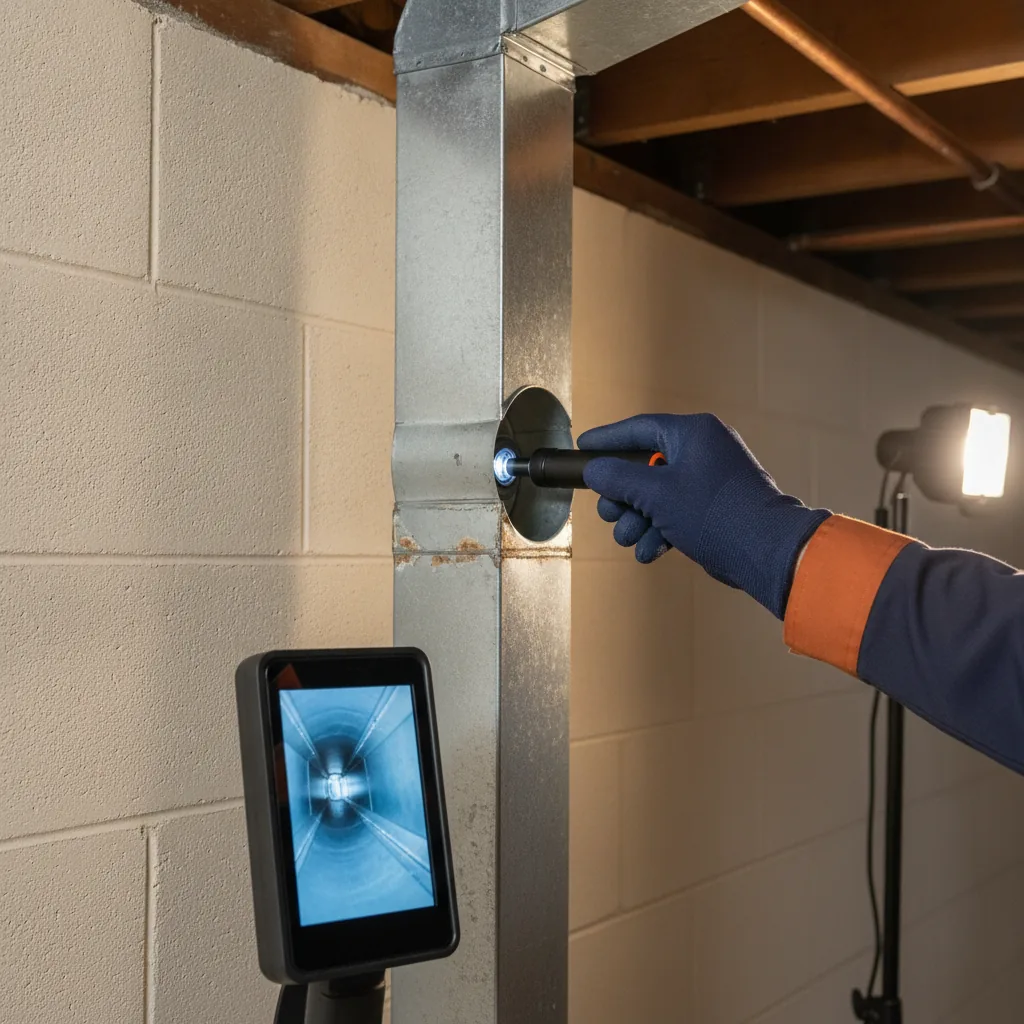
Review accessible components, system count, access and existing conditions before opening the scope.
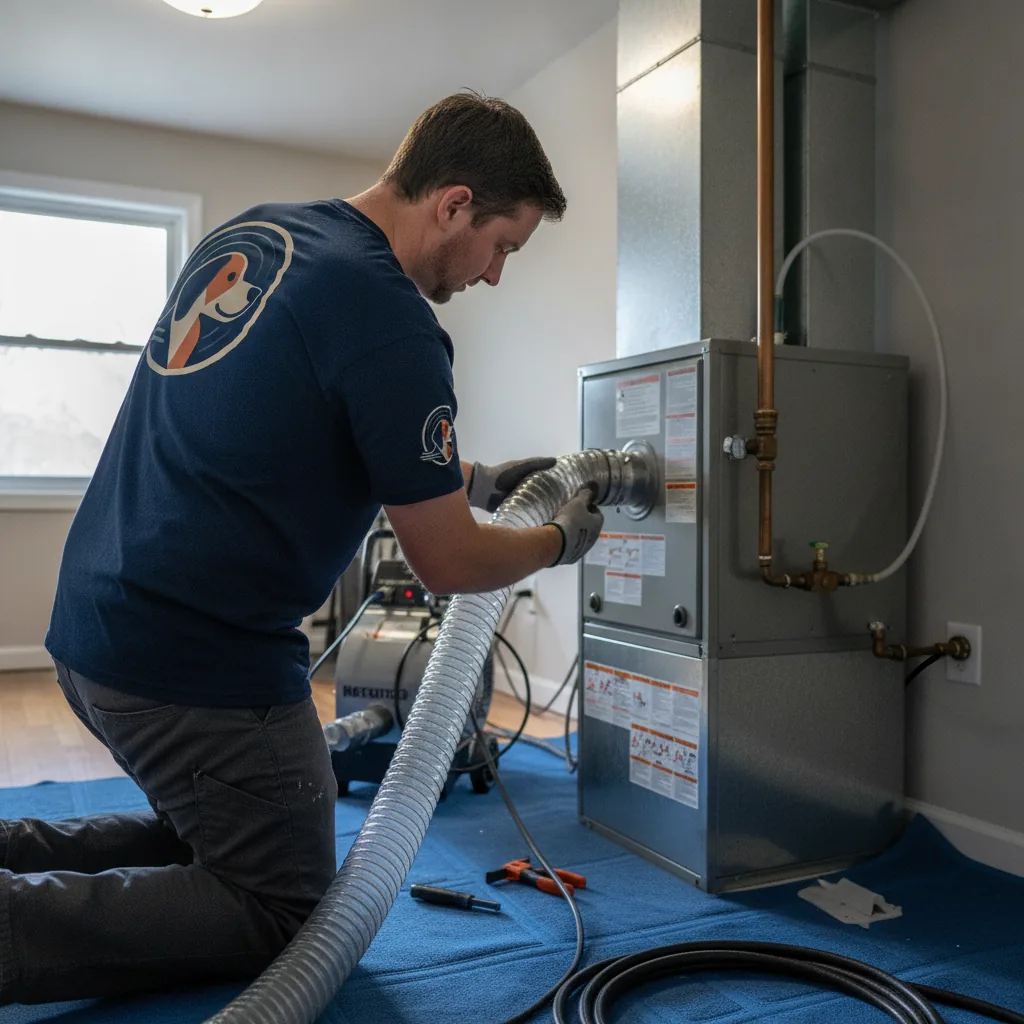
Protect nearby finishes and establish a controlled collection pathway for dislodged material.
Work through accessible supply and return pathways while negative pressure carries material toward collection.
Secure access points, clean the work area and review documentation, observations and limitations.
Included versus assumed
“Air duct cleaning” is used loosely across the industry. The estimate should identify the HVAC systems, accessible duct pathways, registers, collection method and any components that require separate service.
Air duct cleaning FAQ
If a condition falls outside cleaning, the right answer may be inspection, repair, moisture control or no service at all.
No. The EPA recommends considering duct cleaning on an as-needed basis rather than treating it as automatic annual maintenance. An inspection and the reason for the call should drive the decision.
No. Household dust can come from many sources, including outdoor air, fabrics, pets, activities in the home and filtration issues. We can remove accessible accumulated material from the duct system, but we will not promise that one service eliminates every source.
Our whole-system scope is designed around both supply and return pathways. The exact components, access points and any exclusions are documented for your system before cleaning begins.
Those findings can require a different qualified professional or repair plan. We do not disturb suspected asbestos-containing material, diagnose mold by appearance alone or hide a repair need inside a cleaning package.
There is no responsible one-size-fits-all schedule. Conditions, system history, construction work, confirmed contamination and inspection findings matter more than an arbitrary calendar interval.
Plan the visit
Air duct estimate
Share the home size, number of HVAC systems, register count if known and the reason for the call. That gives us a responsible starting point.