Property
Service address, home type and approximate square footage.
How it works
From the first questions to the final review, each stage gives you a clear decision, boundary or piece of evidence. That is how Duct Hound turns a hard-to-see service into a process you can follow.
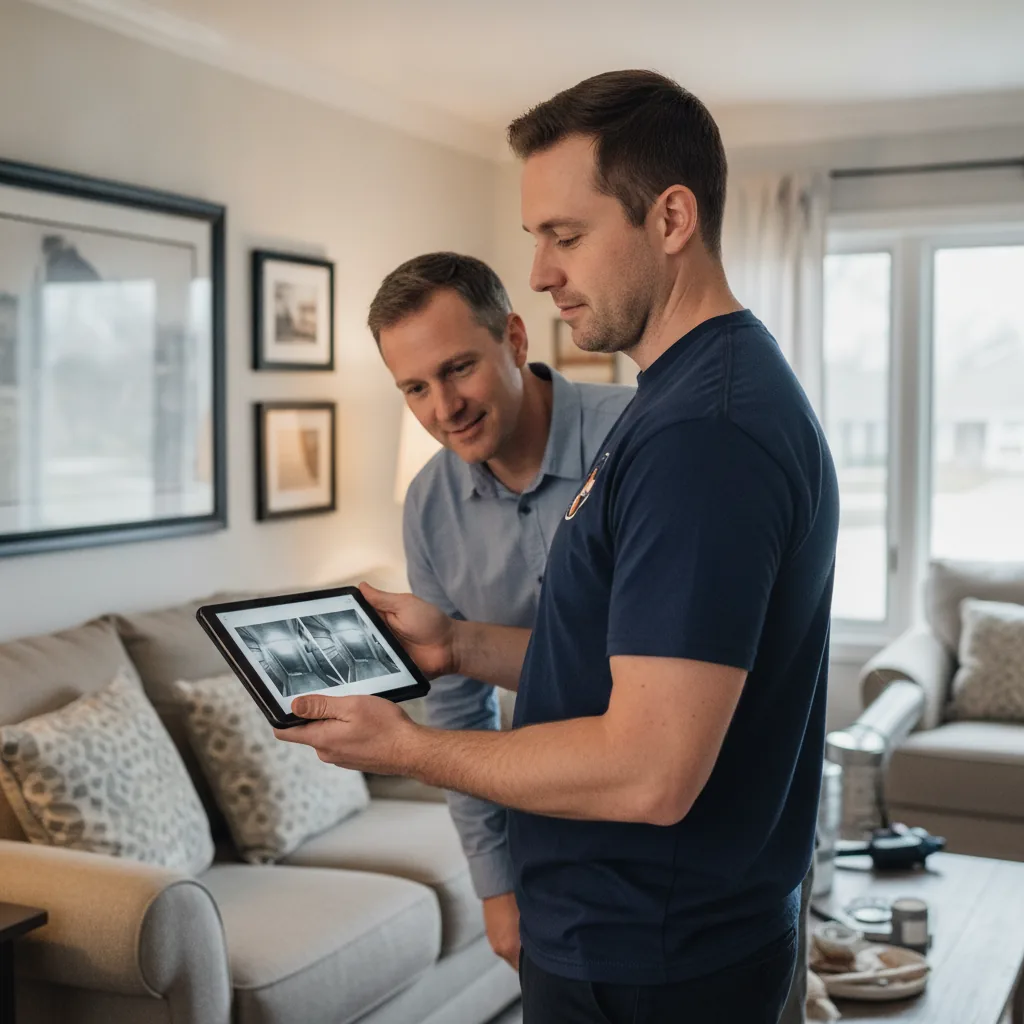
Before the visit
We ask only for details that help define system size, access and the reason for the service.
Service address, home type and approximate square footage.
Number of furnaces or air handlers and register count if known.
What prompted the request: visible debris, construction, dryer symptoms or another concern.
Equipment location, parking, exterior termination and known access constraints.
Inspect
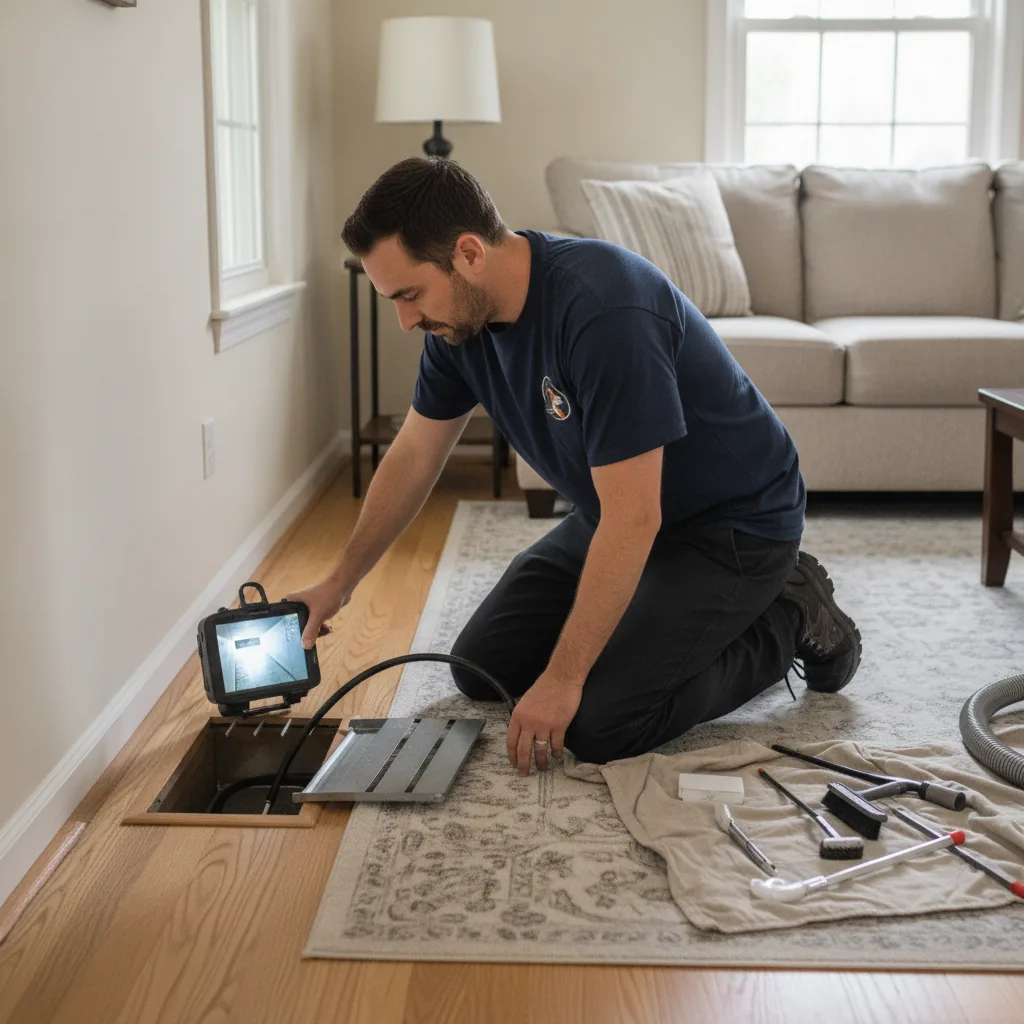
We review the reason for the call, accessible components, system layout, surfaces near the work and any condition that could change the plan. We do not diagnose hidden material by guessing from a register.
Scope
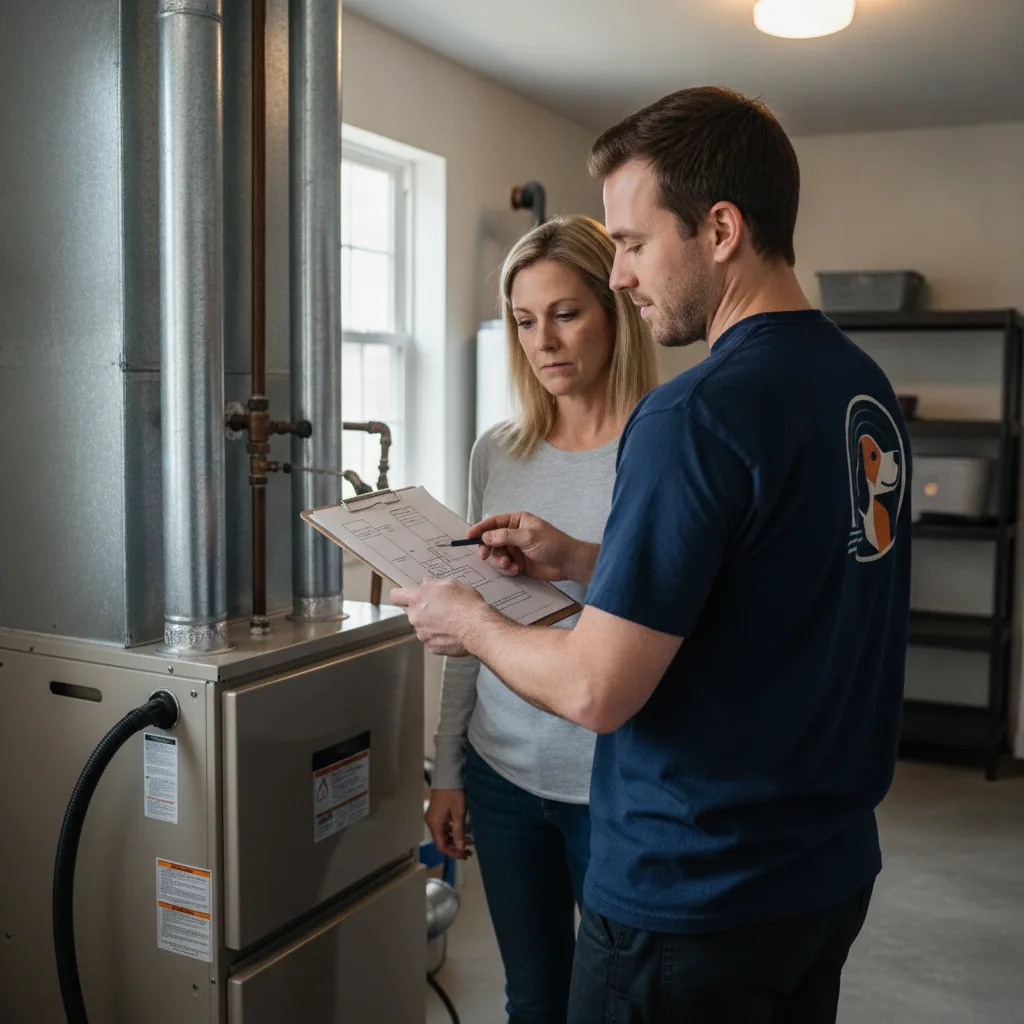
The scope identifies the system or vent path, included components, collection method, access points and known exclusions. A change gets discussed before it becomes a charge.
Protect
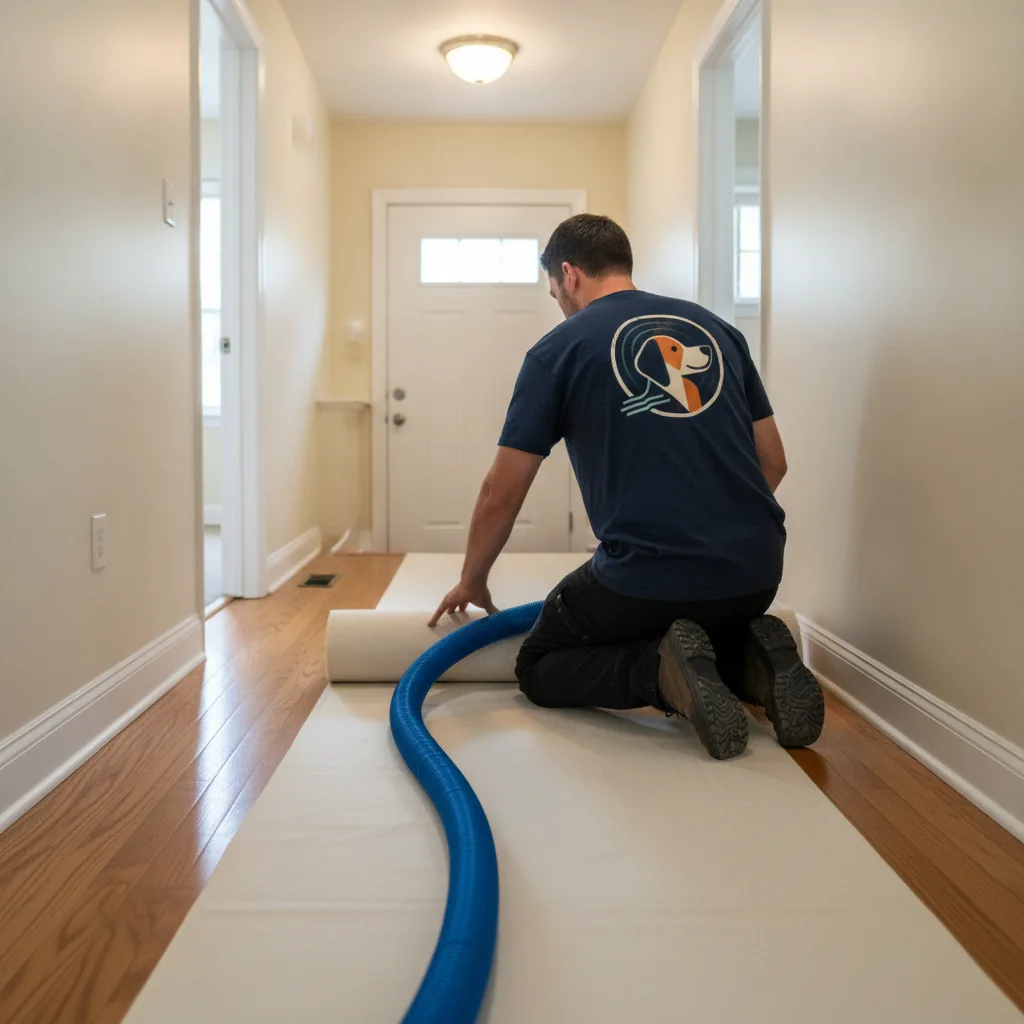
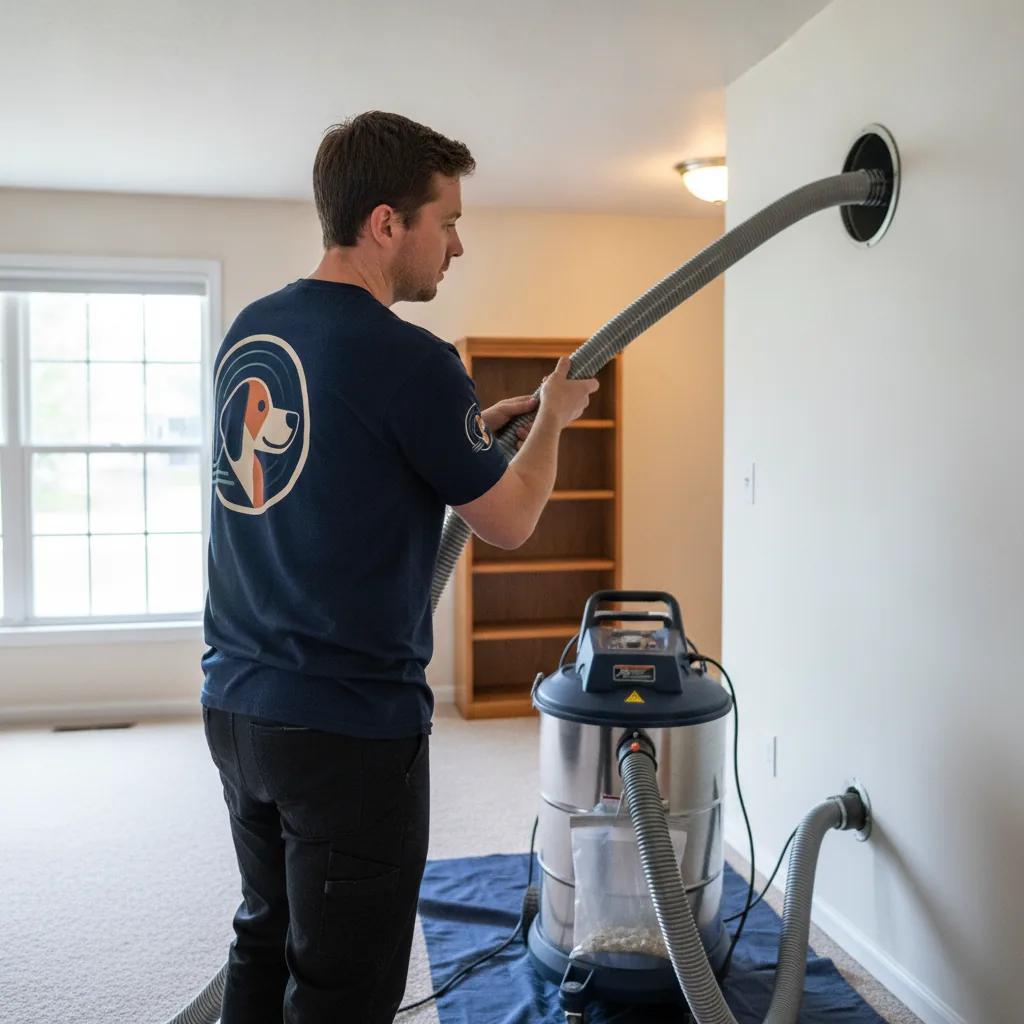
We plan equipment paths, protect nearby finishes and isolate the collection pathway. Good containment is part of cleaning—not a cosmetic extra.
Clean
For HVAC ductwork, negative pressure and mechanical agitation work together across accessible supply and return pathways. Dryer vents receive a route-specific lint removal process.
Review
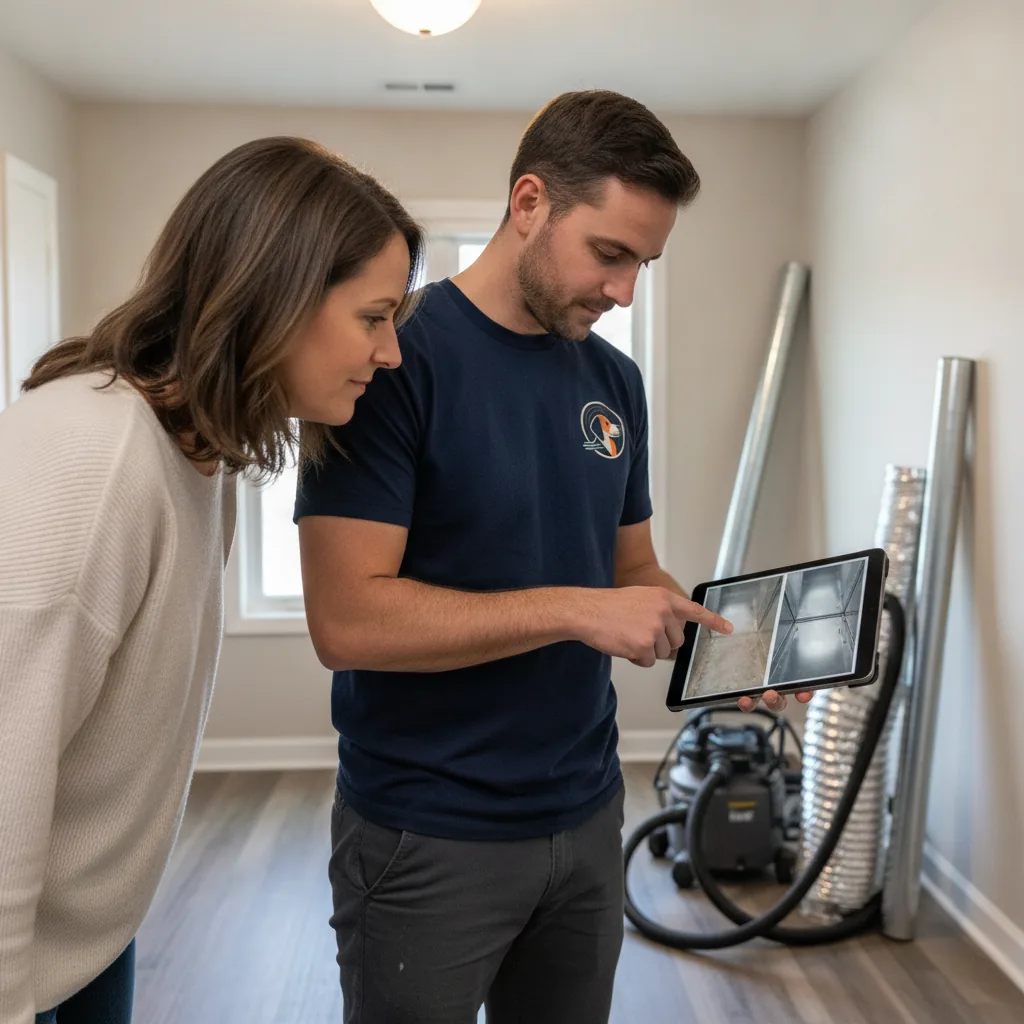
We clean the work area, secure access points, review visual documentation and explain observations or limitations. The goal is an understandable record—not a vague thumbs-up.
Responsible boundaries
A trustworthy process includes knowing when cleaning is not the next right action.
Do not disturb; route to appropriately qualified assessment.
Correct the source before treating recurring contamination as a cleaning problem.
Repair may be necessary before effective cleaning.
Pause, explain and agree on the correct next step.
Ready for a clearer answer?
Start with the size of your home, the number of HVAC systems and what prompted the call. We’ll use that context to scope the right next step.